Industrial Ascent

First-person physics puzzle project focused on tactile interaction, readable feedback loops, and player-led problem solving.

Unreal Engine 5 Blueprint Physics Interaction Puzzle Design CI541 Case Study

Overview

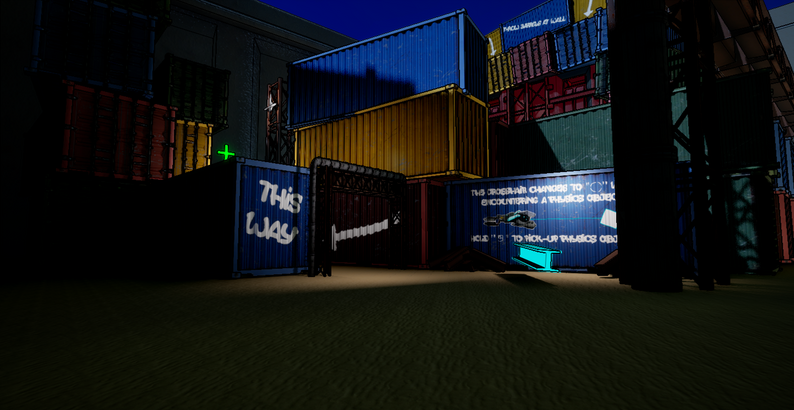
Industrial Ascent is built around a gravity manipulation tool that lets players grab, rotate, freeze, and throw objects to solve traversal puzzles. The core goal was to build a reliable interaction system first, then design level challenges that combine those actions in increasingly complex ways.

The project follows a mechanic-first development approach: establish physical control, reinforce it with clear feedback, then test puzzle readability through playtesting and iteration.
Source Document

CI541 Game Development Frameworks Report

Design Notes

  • Core loop intentionally structured as Grab - Rotate - Place - Traverse.
  • Early spaces were designed as low-risk experimentation zones before higher-complexity puzzle chaining.
  • System clarity was prioritized over visual excess to keep interactions readable and confidence-building.

Core Development Areas

Physics Interaction System

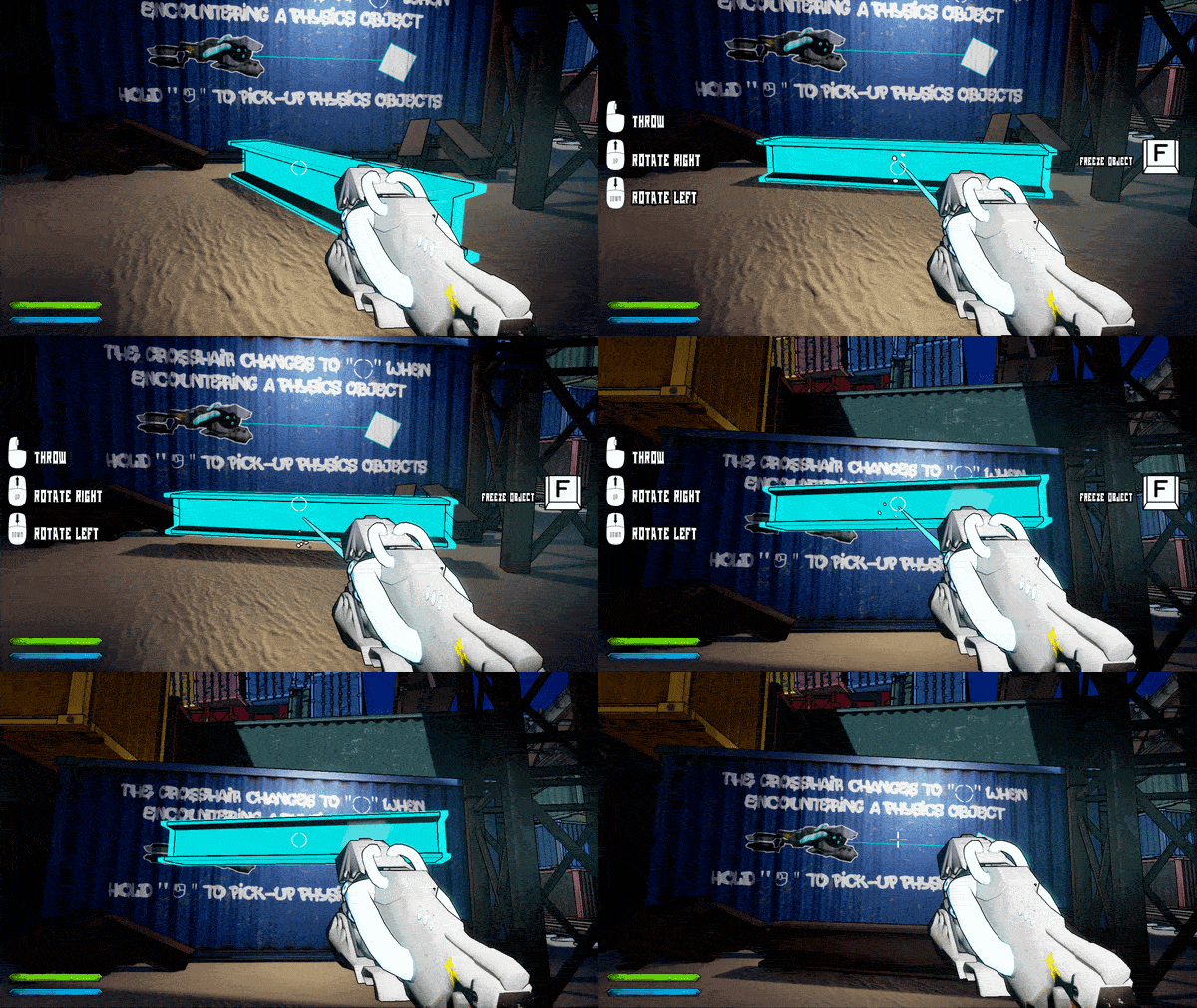
Grab - Rotate - Freeze - Throw
  • Forward trace + physics handle control for object acquisition.
  • Object stability improvements through reset and damping logic.
  • Predictable handling to support puzzle reliability.

Feedback Architecture

Visual cues - Audio cues - Physical response
  • Selected object clarity through highlight and beam feedback.
  • Action-state reinforcement on pickup, freeze, release, and throw.
  • Iteration driven by playtesting confusion points.

Environmental Puzzle Flow

Structured onboarding - Layered challenge
  • Low-risk introduction zone for mechanic discovery.
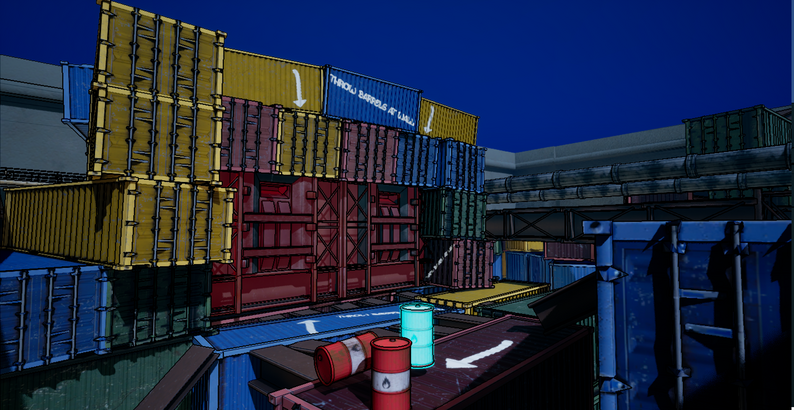
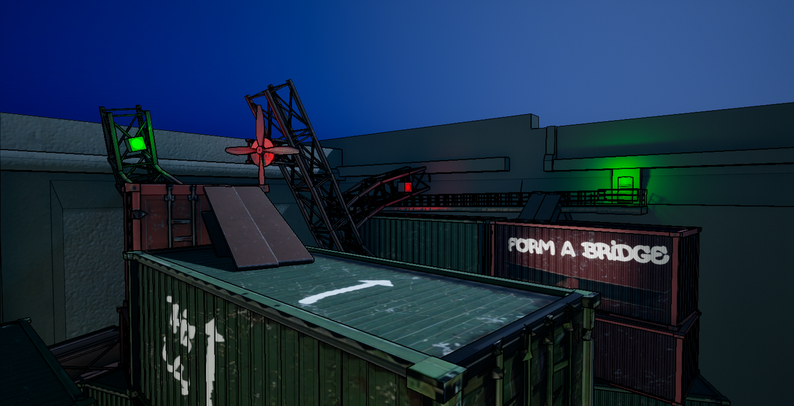
  • Progressive puzzle chaining using jump pads, fans, and placeable objects.
  • Spatial design and environmental cues for player guidance.

Gallery

Testing Outcomes

Functional and playtesting cycles identified key friction areas: camera jitter during hold states, object clipping, weak interaction feedback, and early puzzle ambiguity. These were addressed with trace-channel refinements, stronger feedback cues, and layout tuning.

  • Object clipping: reduced via custom trace/channel handling.
  • Feedback weakness: improved through stronger VFX/SFX response.
  • Early confusion: reduced with highlight and interaction affordance improvements.