Game Feel Matters Early
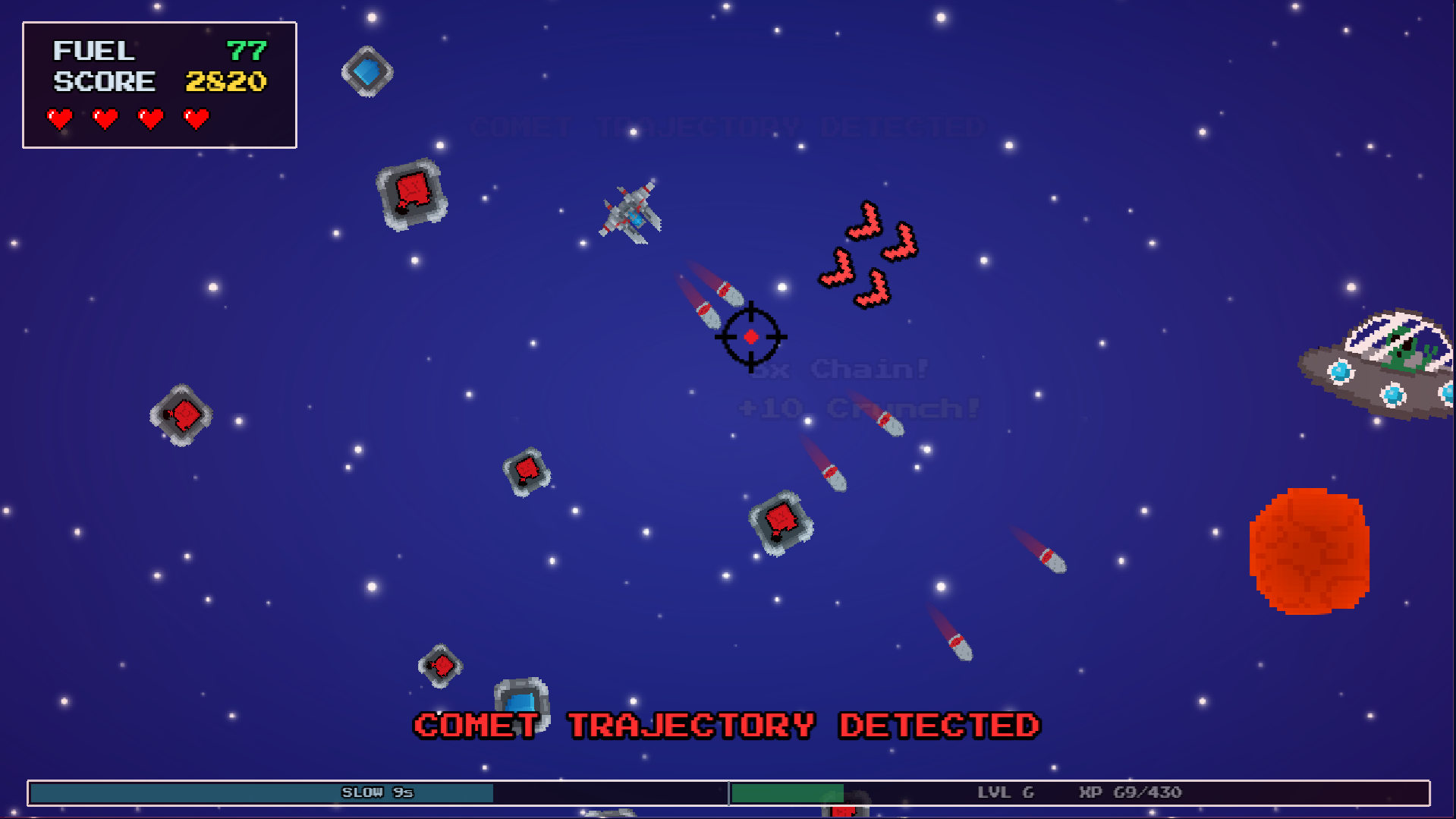
Small feedback details like knockback, screen shake, warning cues, pickup feedback, and audio changes made the game feel significantly more responsive.
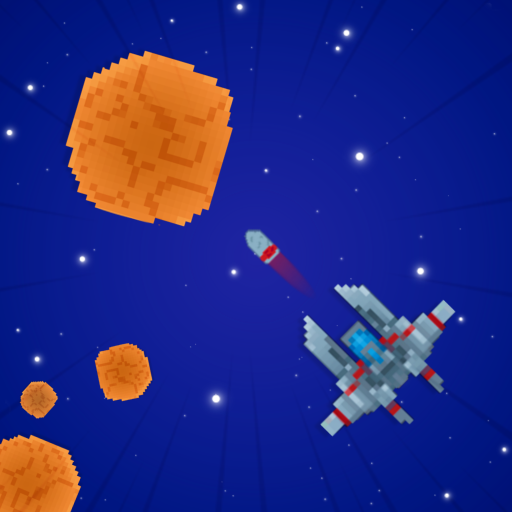
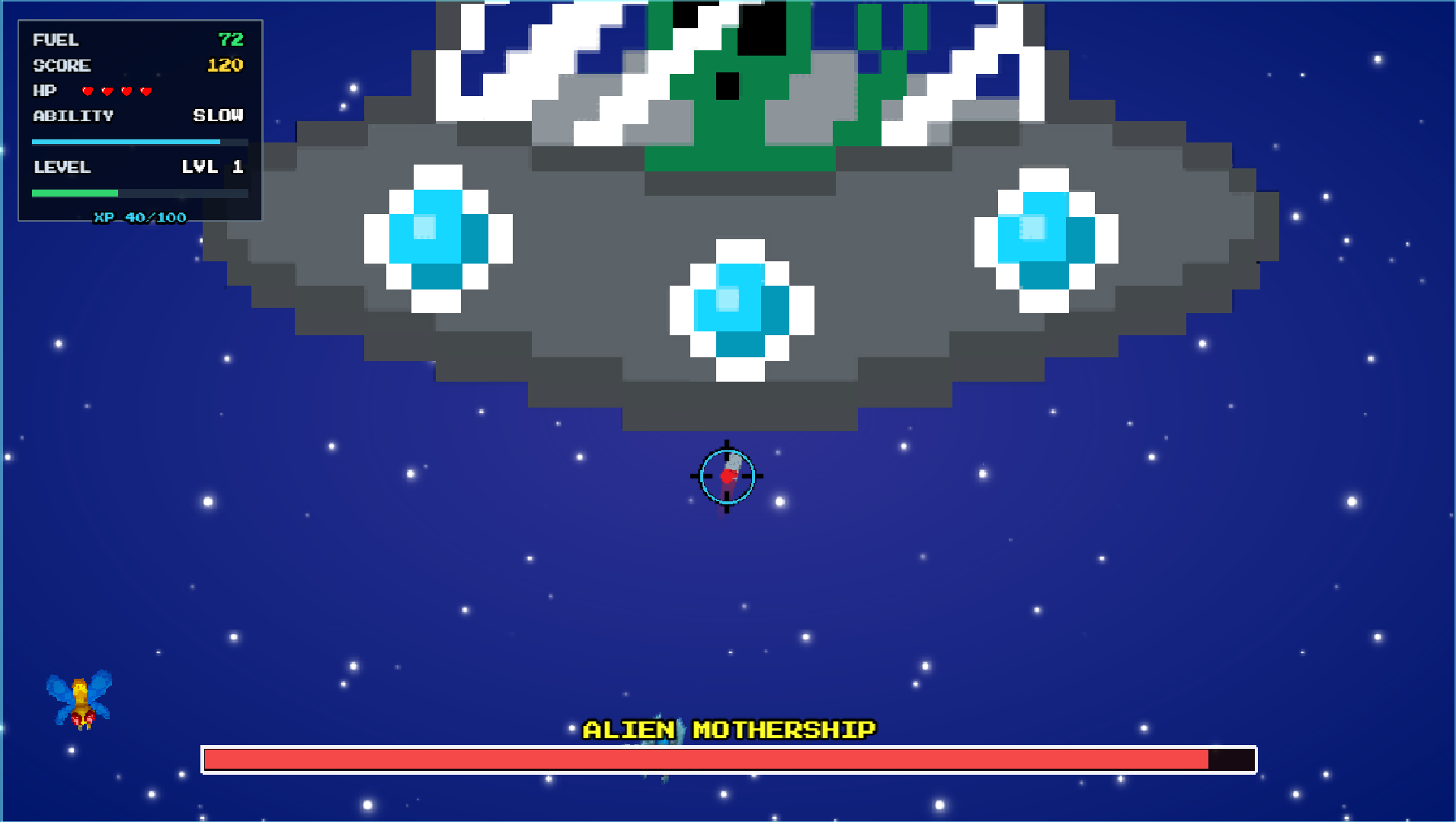
A fuel-driven arcade roguelite survival game, evolved from a university web prototype into a full iOS and Android release featuring boss battles and layered micro-progression systems.
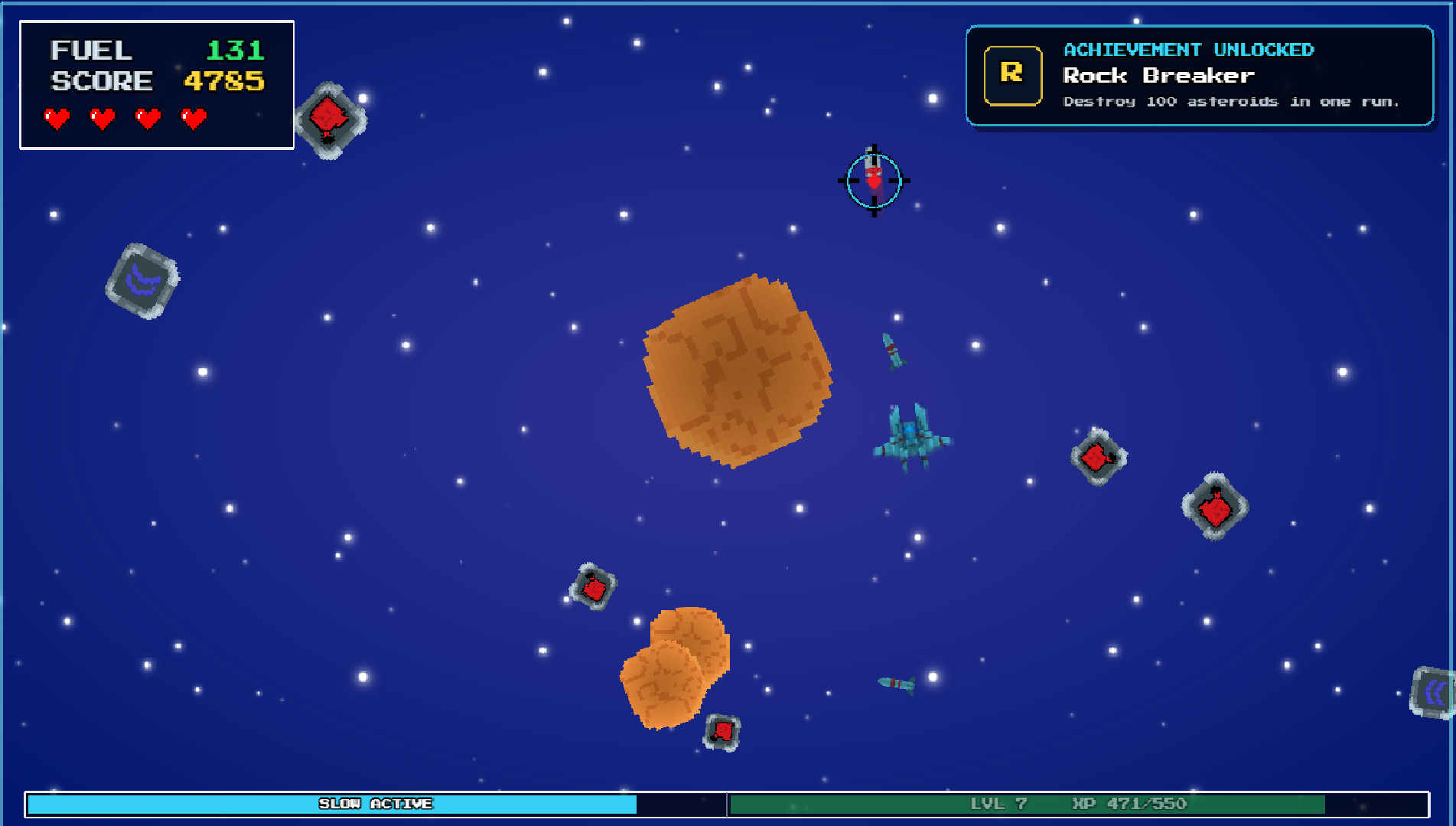
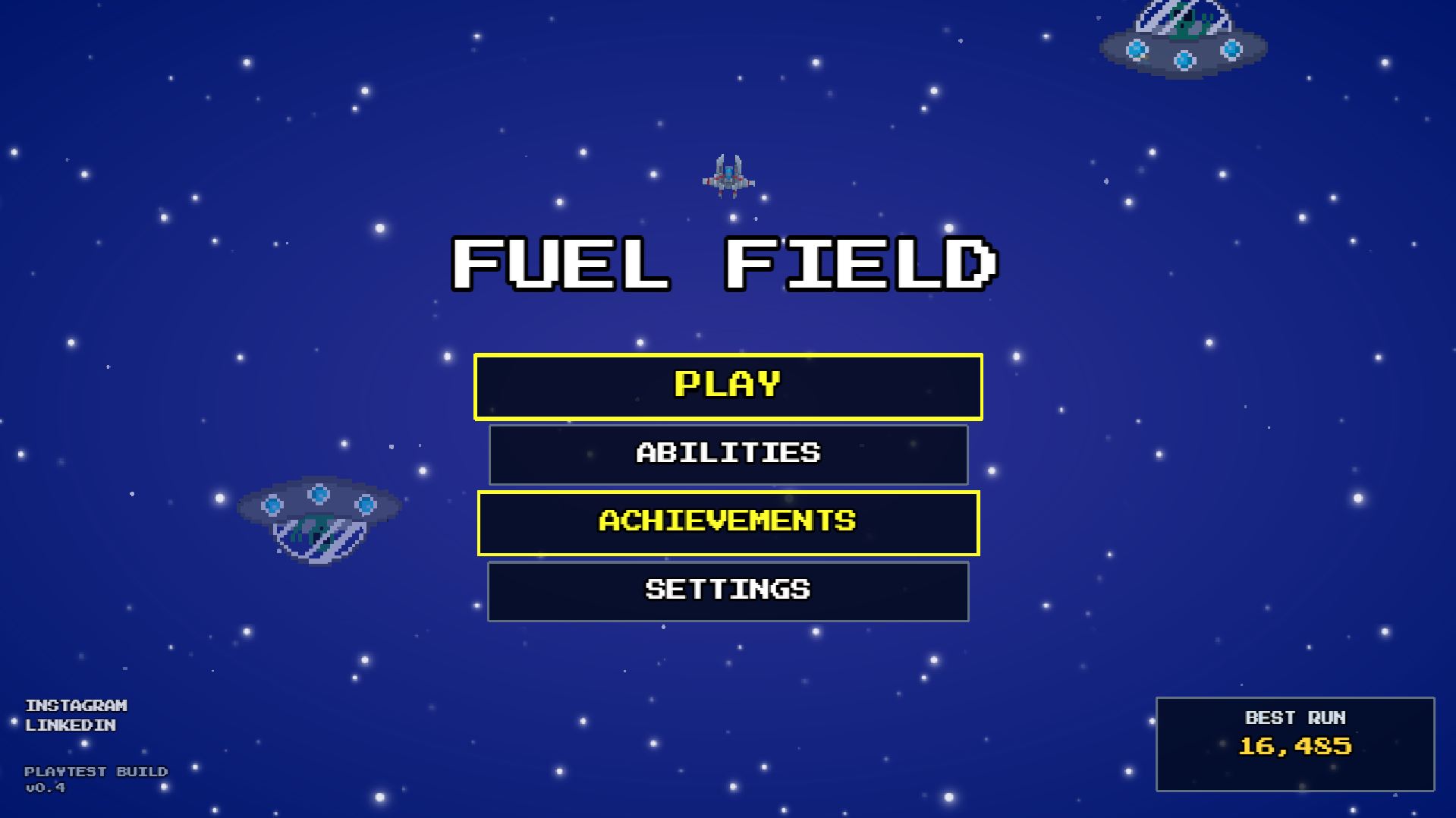
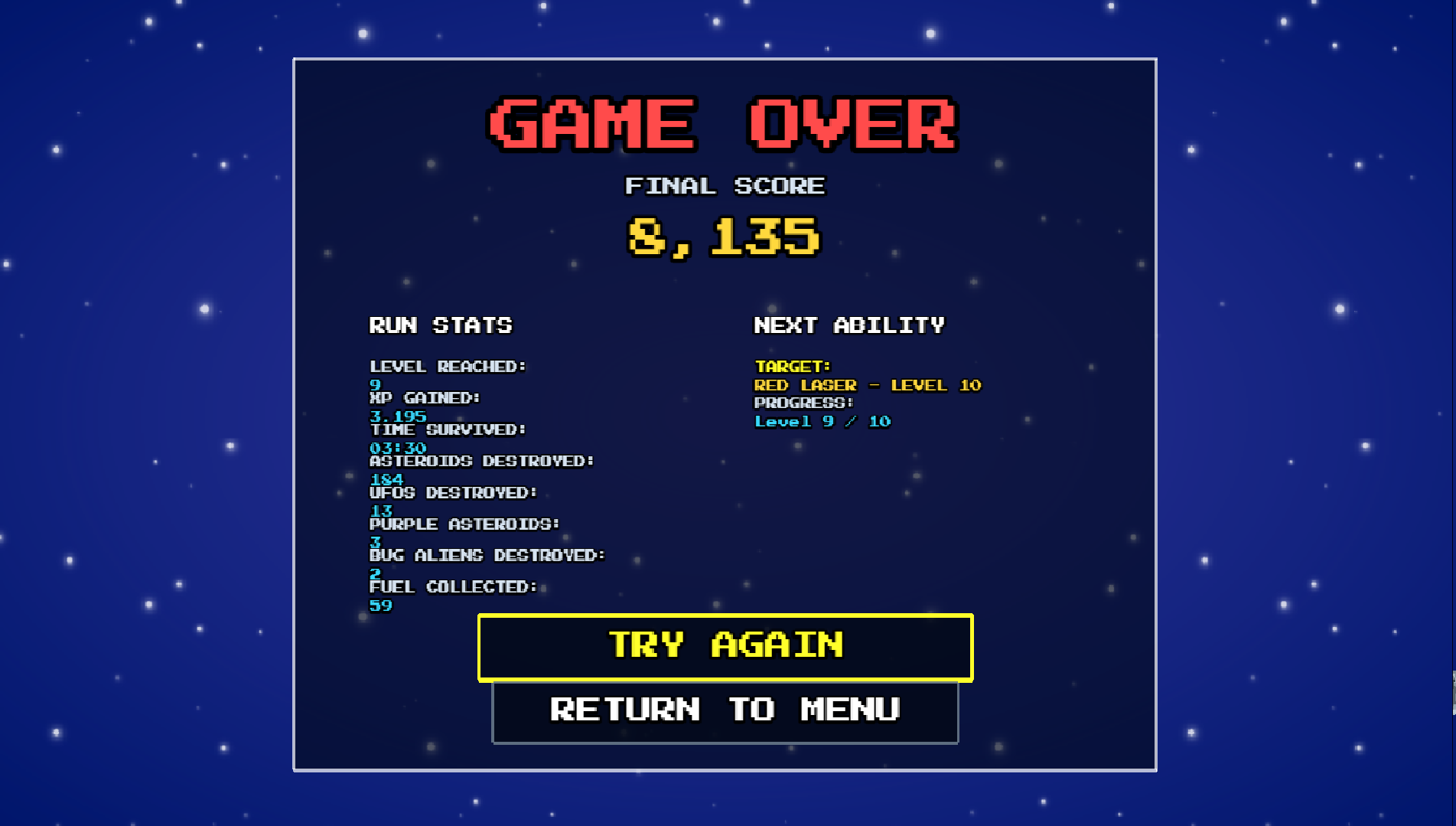
Fuel Field started as an Asteroids inspired movement prototype and developed into a fast arcade survival shooter built around fuel management, responsive movement, and escalating space hazards.
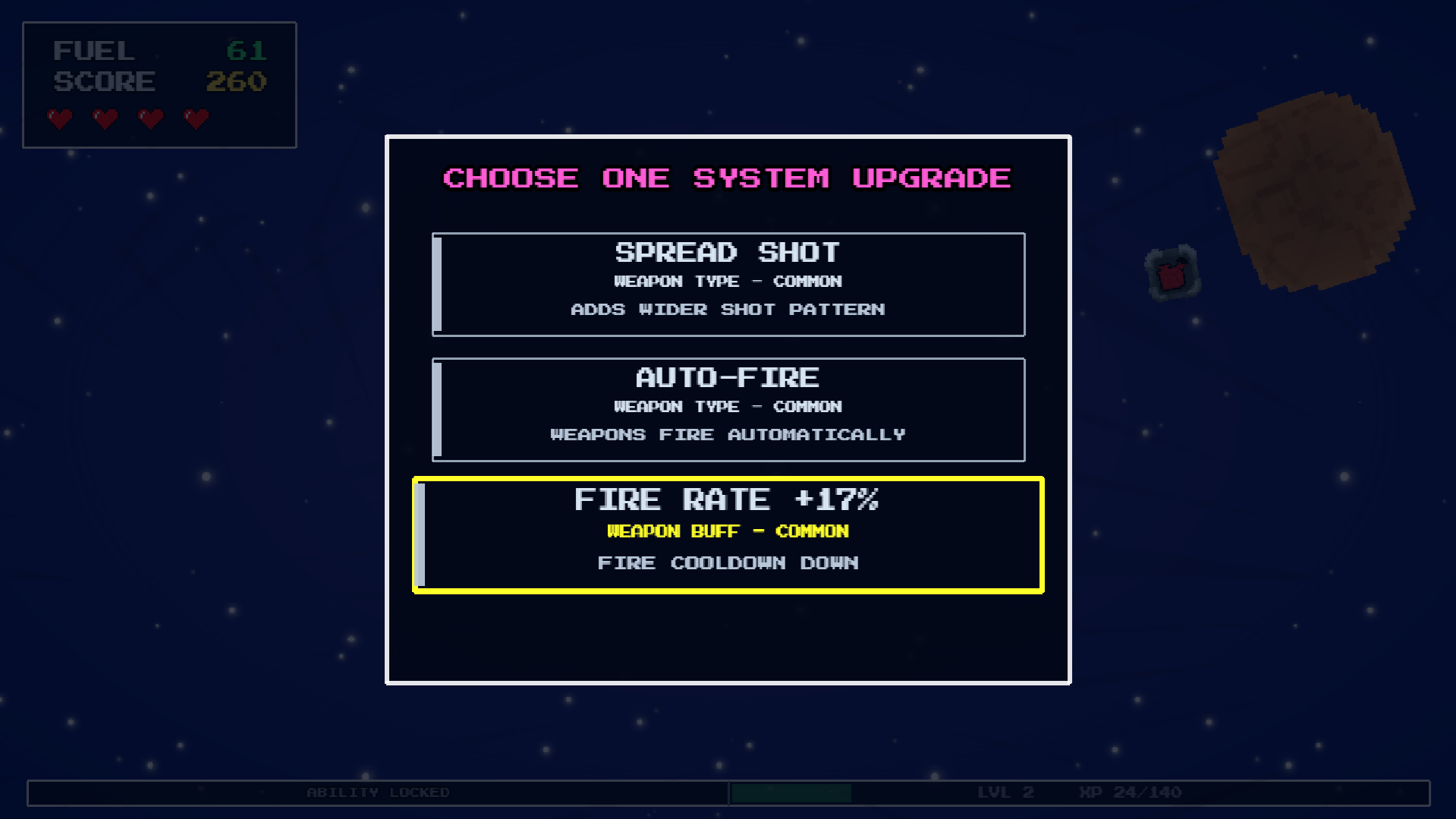
The main loop is simple: move, shoot, collect fuel, survive longer, and choose upgrades as the run progresses. The challenge comes from keeping the player constantly moving while making fuel feel like both a resource and a survival timer.
Small feedback details like knockback, screen shake, warning cues, pickup feedback, and audio changes made the game feel significantly more responsive.
Fuel gave the game a clear pressure loop. It made movement, risk, pickups, and survival all connect through one readable mechanic.
The project worked best when it stayed focused on arcade survival instead of expanding into too many unrelated features.
After the CI587 submission, I continued developing Fuel Field beyond the original web version. The project was adapted for Android using Capacitor, tested through Google Play closed testing, and prepared as a public mobile release.
This changed the project from a coursework game into a live release pipeline. I had to deal with mobile controls, Android builds, app signing, store requirements, closed testing, QA feedback, and release preparation.
The Phaser web game was packaged for Android, which introduced new requirements around screen size, input layout, app lifecycle, audio behaviour, and performance.
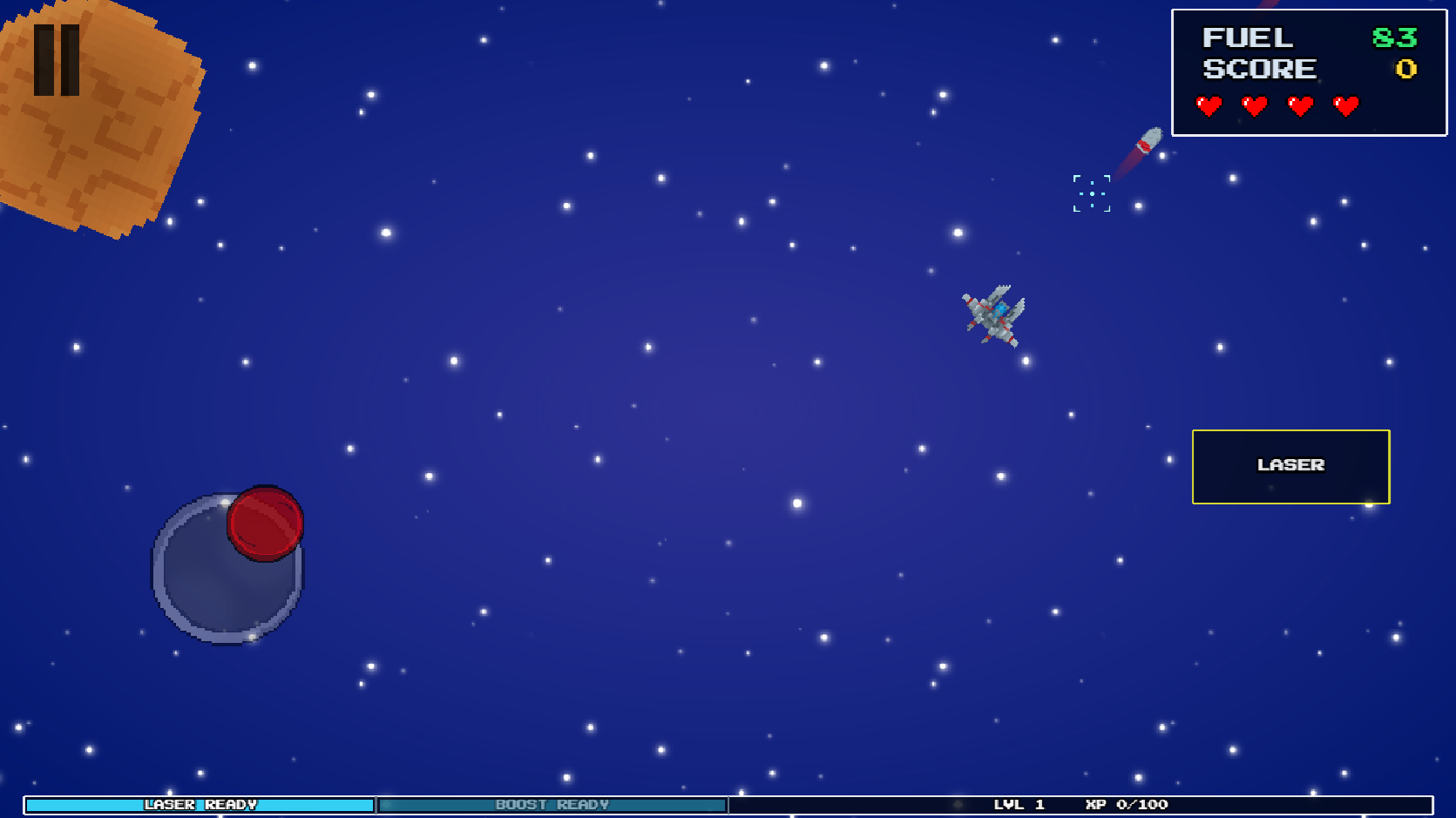
The control scheme had to be redesigned for touch input, including movement, aiming, boost, and ability controls that worked clearly on a phone screen.
The Android version went through Google Play closed testing, exposing issues that were harder to see during desktop-only development.
I worked through signing, build generation, store listing requirements, testing feedback, and release setup to move the game toward a public Google Play launch.