Progression Needs Clear Gates
I learned that adventure games need clear short-term goals. Keys, doors, bloodlock gates, and island objectives helped give the player a reason to move forward instead of wandering without direction.
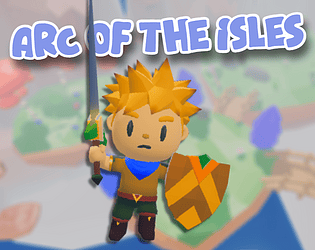
A Unity adventure prototype built around island progression, puzzle-combat encounters, readable level design, and guided exploration.
The game loop is built around an island framework. Each island is self-contained, with its own hazard, enemy, or objective. A central controller manages progression, while a shared TextMeshPro prompt system keeps interactions consistent.
Player actions revolve around four verbs: jump, swing, spin, and interact. Sword combos are animation driven, with special moves such as spinning handled by the controller.
Islands follow a simple loop: reach, challenge, reward, move on. Some crumble underfoot, while others host enemies or NPC quests. Rewards range from stat boosts to progression keys, creating variety while keeping the player’s toolkit focused.
I learned that adventure games need clear short-term goals. Keys, doors, bloodlock gates, and island objectives helped give the player a reason to move forward instead of wandering without direction.
Testing showed that small ordering issues, such as when a key or chest appears, can create confusion. Reworking puzzle order made the island progression easier to follow.
The combo system, enemy encounters, and boss fight worked best when the player could clearly understand attack timing, damage feedback, and what had changed after each phase.
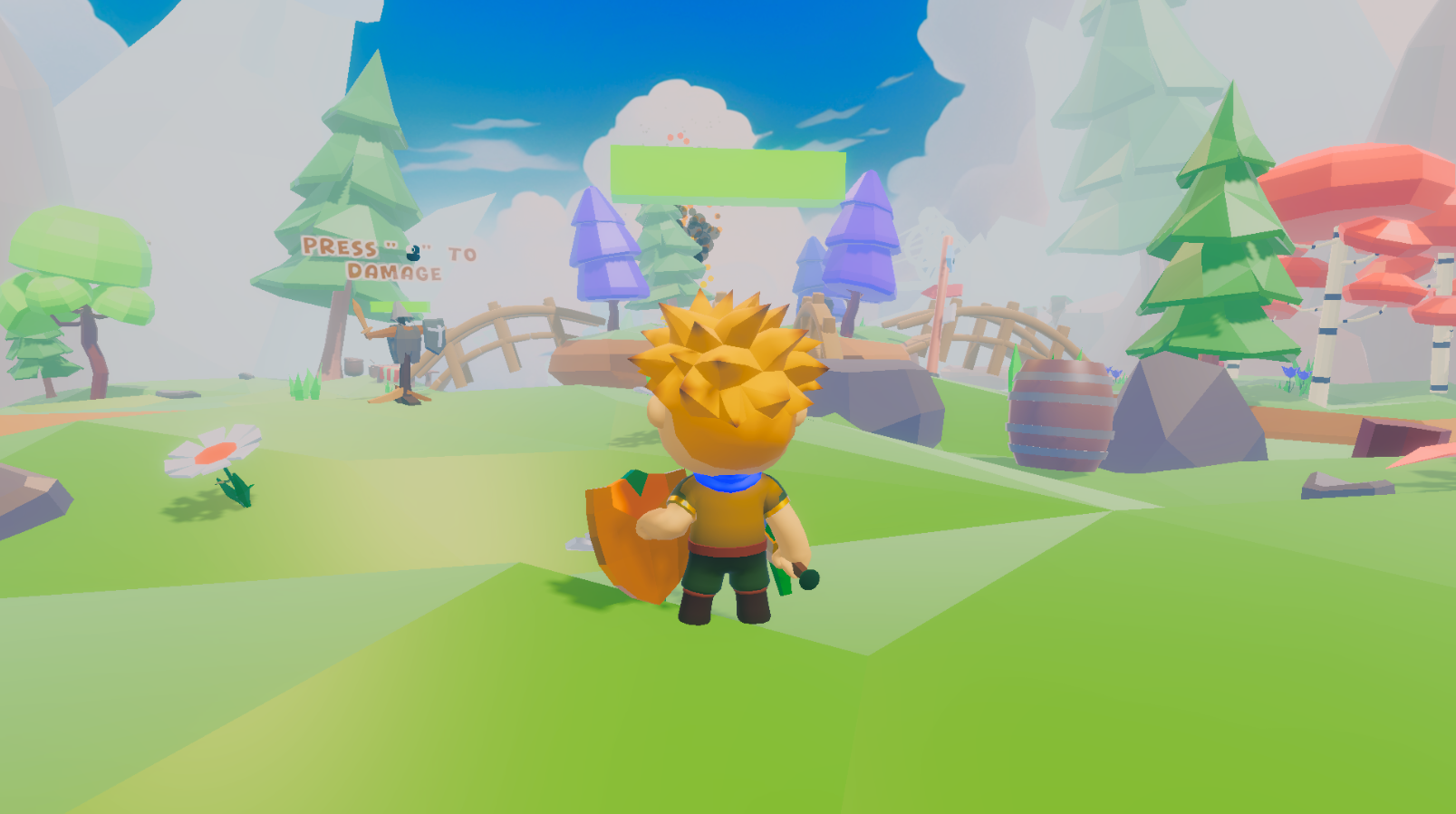
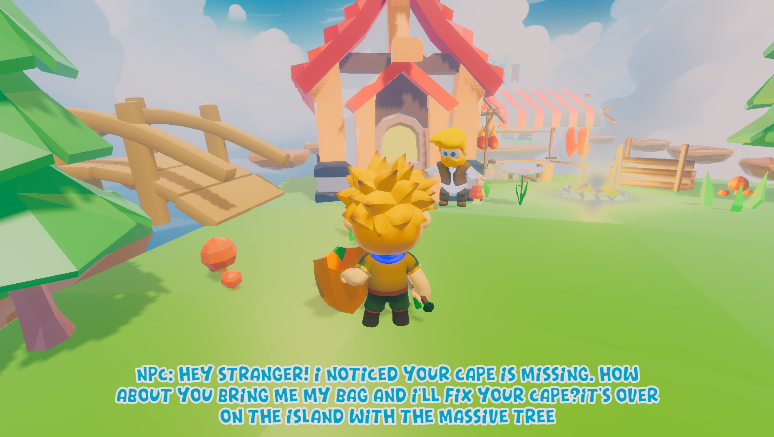
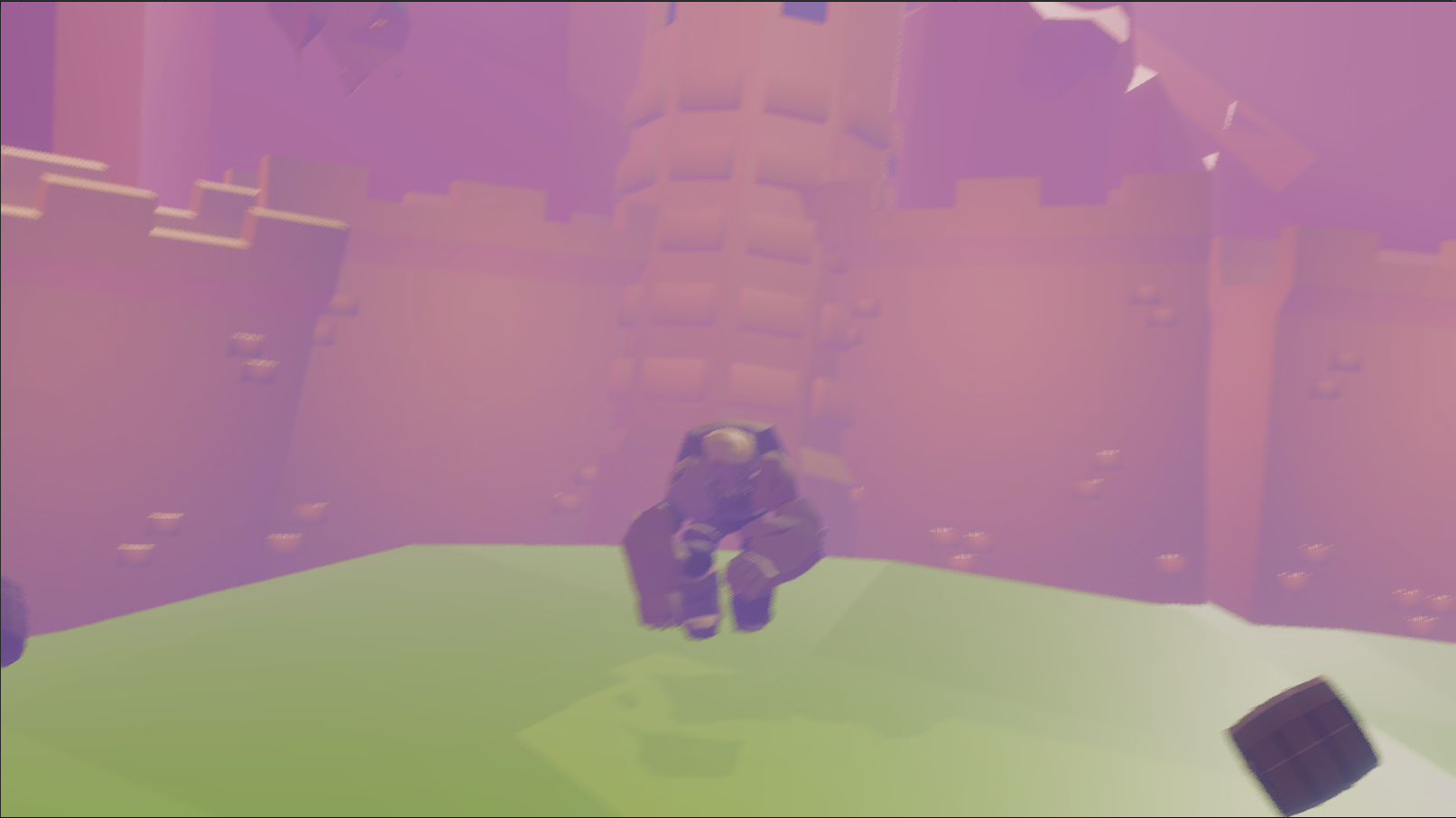
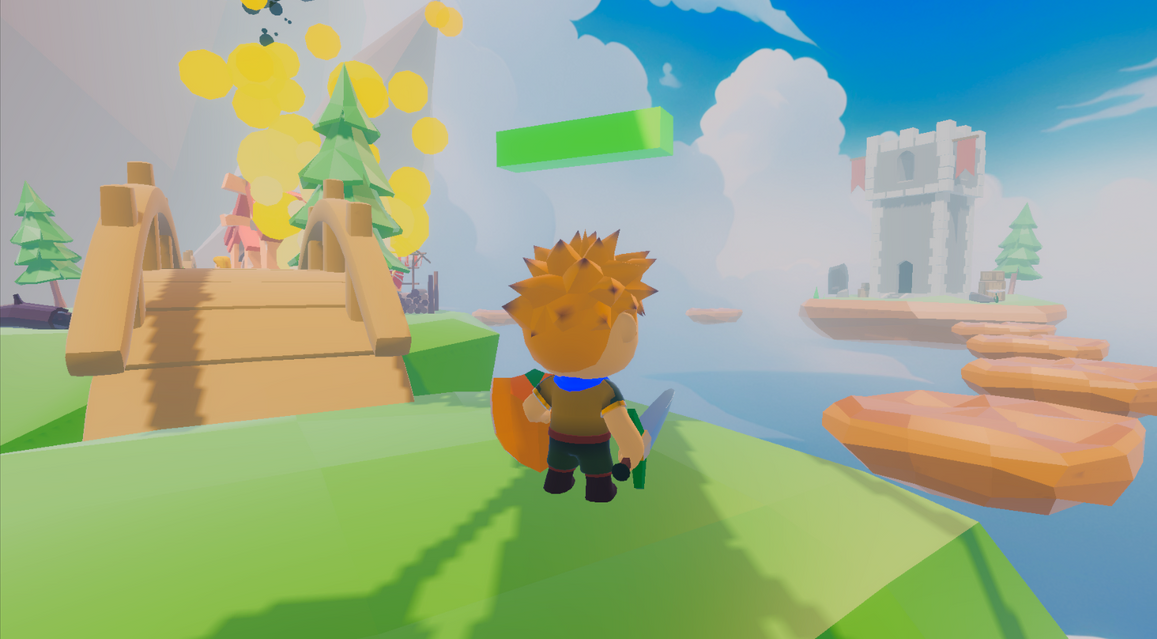
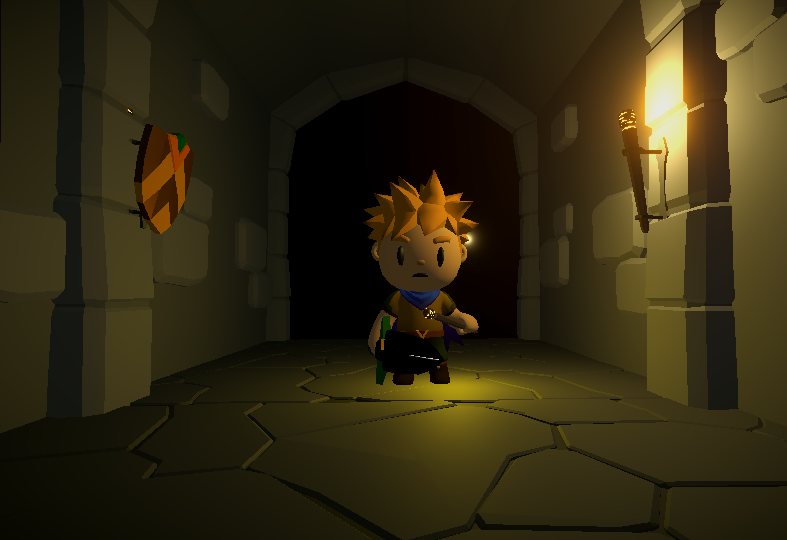
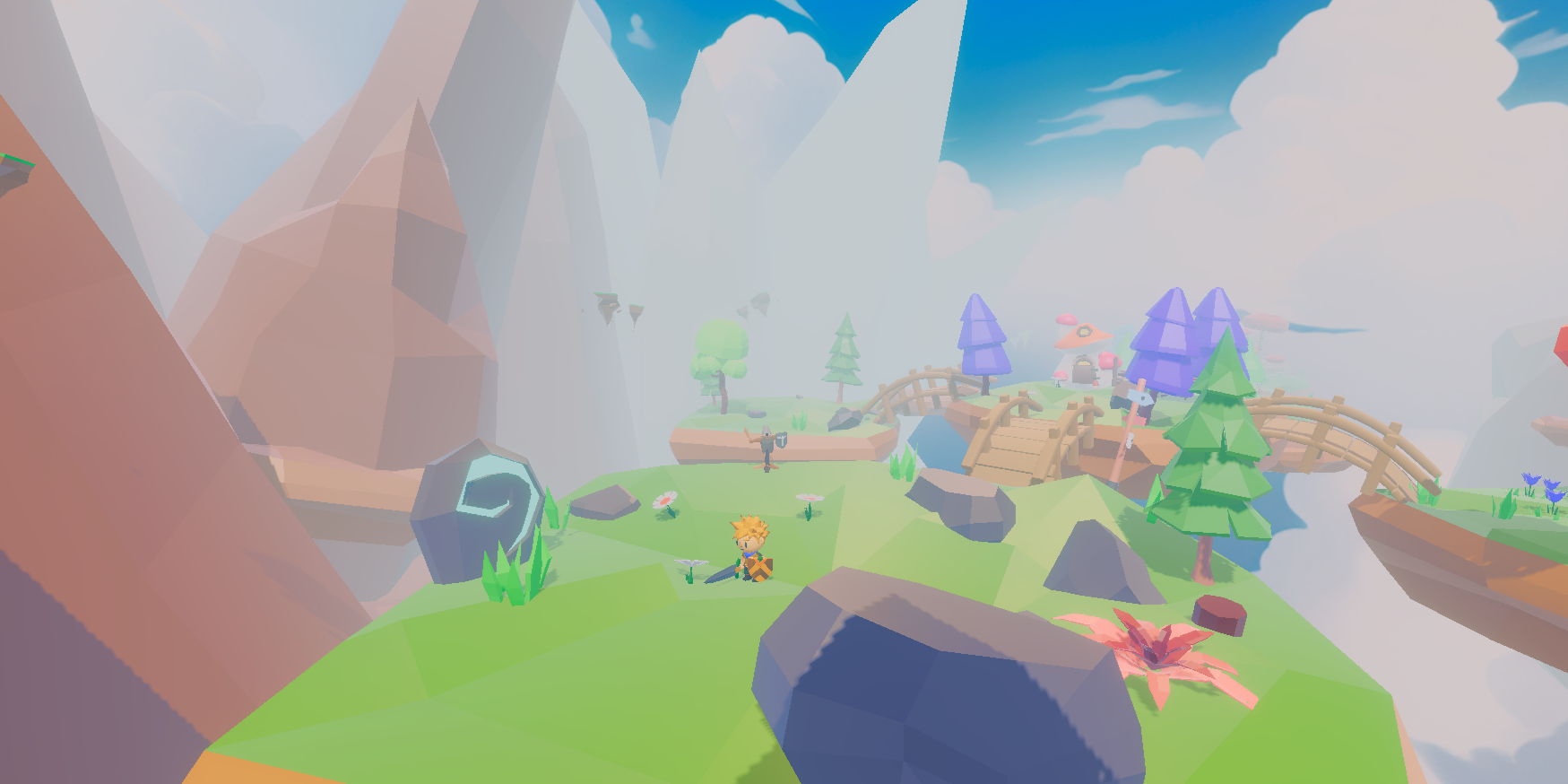
I would expand the enemy variety, improve combat encounter pacing, and add clearer signposting between islands so the progression remains readable as the world grows.